Opened
May 1996
Exact day pending confirmation
Camp Del Mar · Camp Pendleton
From the reefsof Tarawa
to the tides of Inchon
Preserving the machines. Honoring the Marines. Carrying the legacy forward.
Why this place exists
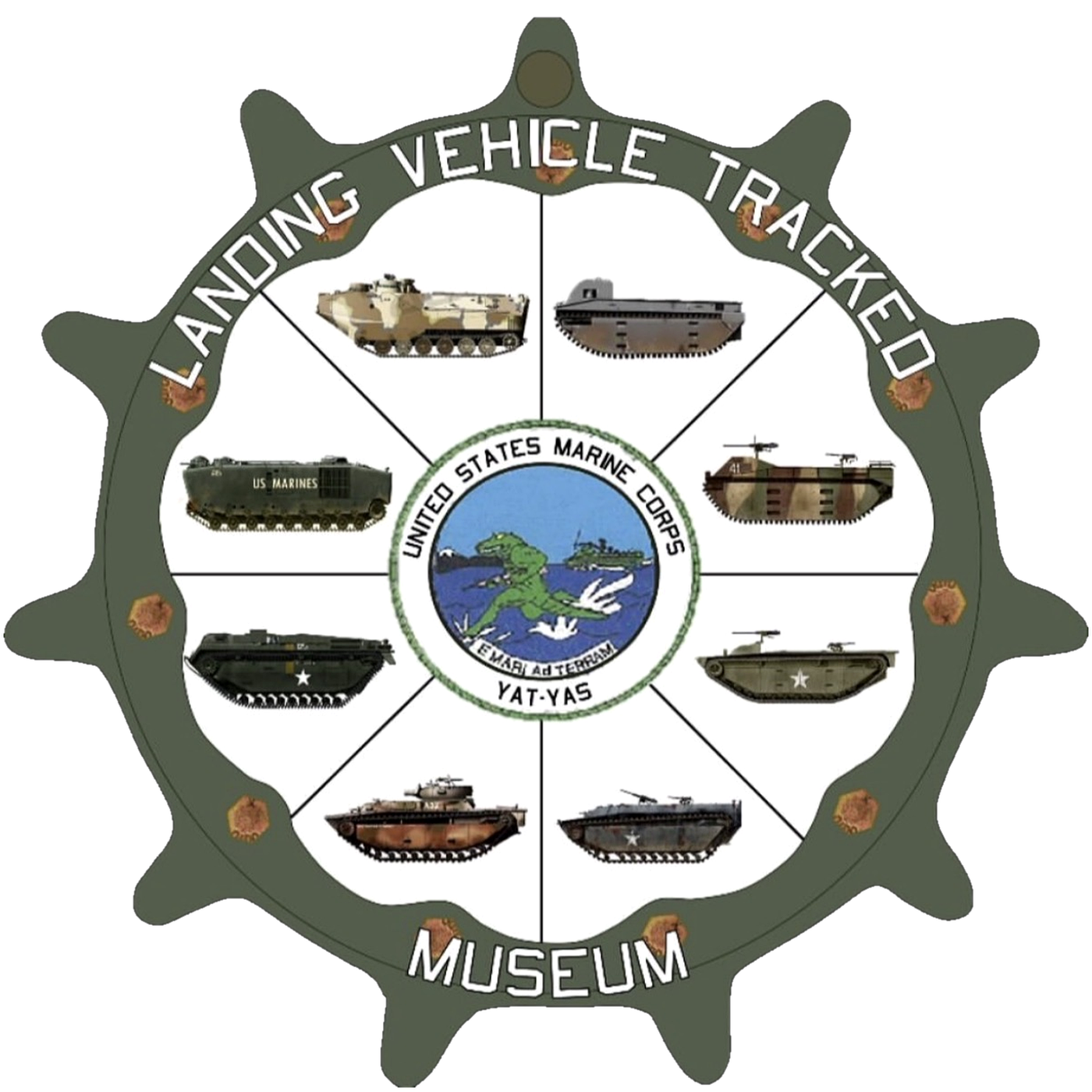
In May 1996, the Assault Amphibian community transformed a WWII-era Quonset hut at Camp Del Mar into a living museum for Landing Vehicle Tracked history—preserving machines, artifacts, and the mindset of ship-to-shore assault.
Opened
May 1996
Exact day pending confirmation
Recognition
Magruder Award
Marine Corps Heritage Foundation, 1996
Home
Building 21561
WWII-era Quonset hut, Camp Del Mar
Renewal
WELLDECK
Remodel / rededication, 2020
The museum is maintained by volunteer active-duty Marines outside normal duties and guided by a board of directors. Per Camp Pendleton Historical Society reporting, Marine Corps funding does not cover museum projects—preservation depends on donations, fundraising, and community support.
Step inside
A visual gallery of the Quonset hut, restored LVTs, artifacts, and the Well Deck community wall—built for museum-owned photography with captions, credits, and rights.
Gallery slots are ready for museum-authorized originals. No third-party social embeds required for the experience.
The Machines
Each major museum vehicle receives its own exhibit page—ready for hotspot panels, restoration stories, and future 360° capture.
Civilian amphibious rescue tractor that informed Marine Corps LVT development
Open exhibit →
Improved amphibious tractor (Water Buffalo); troop/cargo carrier
Open exhibit →
Armored amphibian with 37 mm gun for close-in fire support during ship-to-shore movement
Open exhibit →
Designation pending museum confirmation of on-site markings.
Open exhibit →
Covered/modified LVT-3 family vehicle used into the postwar/Korea period
Open exhibit →
Across the reef
From Roebling’s Alligator to the ACV era: deliberate timeline movement with archival captions and cited sources.
Donald Roebling developed a civilian amphibious tractor for Florida swamp and hurricane rescue work. Life magazine coverage drew Marine Corps interest as amphibious doctrine matured.
26.7°N · 80.0°W
Militarized prototypes led to the Landing Vehicle Tracked. The first production LVT-1 rolled from Food Machinery Corporation in July 1941, bridging ship-to-shore where reefs stopped conventional landing craft.
At Tarawa, LVTs carried assault waves across coral reefs that stranded conventional landing craft. The operation fixed the Amtrac’s place in Marine amphibious assault doctrine.
1.4°N · 173.0°E
Across the Marshalls, Marianas, and beyond, LVTs and armored LVT(A) variants moved troops, supplies, and close fire support from ship to shore and inland.
LVT assault waves, including armored amtracs in the lead, carried Marines onto Peleliu’s contested beaches under devastating fire.
7.0°N · 134.2°E
LVTs again bridged surf and sand, sustaining the assault and logistics of one of the Corps’ costliest Pacific battles.
24.8°N · 141.3°E
Then / Now
A premium comparison slider for historically connected pairs only—WWII LVT versus restored museum vehicle, historic Camp Del Mar versus today’s Quonset museum—each captioned with sources.
Then
Archival plane
Now
Museum plane
Featured artifact photography will appear here once administrators publish Artifact of the Week.
Artifact of the Week
Helmets, data plates, maps, documents, engine components, and personal items—each with story, date, context, and provenance when known.
On Deck this week
Served on an LVT, LVTP, AAV, ACV, or visited the museum? Put your photograph on deck. Submissions are never published automatically—museum review first.
DECK-01
Spotlight awaiting first approved submissions
DECK-02
Spotlight awaiting first approved submissions
DECK-03
Spotlight awaiting first approved submissions
History in their own words
WWII and Korea families, retired Amtrac Marines, restoration volunteers, current Marines, and supporters. Launch supports photo and text; architecture is ready for audio and video.
VOX-01
Families
Story bay reserved for moderated submissions.
VOX-02
Marines
Story bay reserved for moderated submissions.
VOX-03
Volunteers
Story bay reserved for moderated submissions.
Donations
Donations support the maintenance of the museum and the upkeep of its historic vehicles—preserving these machines and stories for those who come next.
Questions about giving: lvtmuseum@gmail.com
Supporters on deck
Opt-in donor recognition after thank-you. Public, anonymous, name only, optional hometown, unit, or dedication. Nothing publishes without explicit permission.
SUP-01
Awaiting first consented recognitions
SUP-02
No fabricated names or amounts
SUP-03
Dignity over gamification
Plan your visit
Located aboard an active Marine Corps installation. Visits require advance coordination. This is not an unrestricted walk-in tourist attraction.
Location
Building 21561
Camp Del Mar (21 Area), Marine Corps Base Camp Pendleton
Public listings also reference Boat Basin Road, Oceanside. Confirm gate and meeting instructions when you request a tour.
From the Well Deck
Social content supports the living archive. The homepage never depends on fragile embeds.
YAT-YAS
The machines survived.
So did their stories.
WWII/Korea LVT Museum
Camp Del Mar · Camp Pendleton